/ PetroSync Provides API 510 Training to Strengthen Pressure Vessel Inspection
PetroSync Provides API 510 Training to Strengthen Pressure Vessel Inspection
Many engineers in the oil and gas industry reach a point where experience alone is no longer enough. You’ve handled daily operations, solved real problems, but when it comes to inspection decisions, uncertainty still shows up.
This is where things start to slow down. Not because of lack of effort, but because the right structure and confidence in decision-making are still missing.
When Pressure Vessel Inspection Decisions Carry Real Operational Risk
In real operations, pressure vessel inspection is not just a routine task. One wrong decision can impact safety, reliability, and even production targets.
The challenge is not always visible at the start. But once issues escalate, the consequences become difficult to control.
1. Small Inspection Mistakes Can Trigger Downtime and Safety Incidents
Even small inspection mistakes can lead to unplanned downtime lasting 24–48 hours. In some cases, overlooked issues may escalate into safety incidents that affect both operations and team performance.
2. Engineers Hesitate When Evaluating Pressure Vessel Conditions in the Field
Many engineers spend 20–30% more time validating inspection results due to uncertainty. Without a clear approach, decisions become slower and less confident during critical field evaluations.
3. Different Inspection Approaches Lead to Conflicting Decisions Across Teams
Different teams may produce 2–3 conflicting conclusions for the same inspection case. This lack of alignment delays action and creates confusion when quick and accurate decisions are required.
4. Difficulty Interpreting Standards Creates Uncertainty in Critical Decisions
Engineers often spend hours reviewing standards but still feel unsure when applying them. Without practical understanding, interpreting inspection requirements becomes difficult during real operational situations.
At this stage, many engineers start to feel stuck. The more they try to understand, the more complex it seems, especially when real decisions need to be made quickly.
But the issue is not the standards themselves. It is the lack of a clear and practical way to apply them in real inspection scenarios.
How Engineers Can Make More Accurate and Confident Inspection Decisions
To improve inspection outcomes, engineers need more than experience. They need a structured way to understand conditions, interpret standards, and make decisions with confidence.
With the right approach, inspection becomes clearer, faster, and more consistent across different situations.
1. Understand Real Pressure Vessel Scenarios Beyond Theoretical Knowledge
Engineers who focus on real scenarios can improve decision accuracy by up to 30–40%. This helps them connect theory with actual field conditions and respond more effectively.
2. Build Practical Inspection Skills through API 510 Training
Through API 510 Training, engineers can follow structured learning over 40–60 hours. This approach improves their ability to apply concepts directly in real inspection situations.
3. Make Clear Decisions Between Safe Operation and Required Repair Actions
With a structured framework, engineers can reduce decision time by up to 30%. This helps eliminate hesitation and ensures actions are based on clear evaluation, not uncertainty.
4. Apply Consistent Inspection Standards Based on API 510
Using standards like API 510 helps improve consistency across teams. Engineers can align decisions more effectively, reducing conflicting outcomes and improving reliability in inspection results.
When engineers begin to apply structured thinking and consistent standards, inspection becomes more than just a task. It becomes a confident and controlled decision-making process.
This is where the right training environment plays a critical role in accelerating that transformation.
Why PetroSync Helps Engineers Improve Inspection Accuracy and Confidence
At some point, engineers realize that improving inspection skills is not optional. It is essential for both performance and career growth.
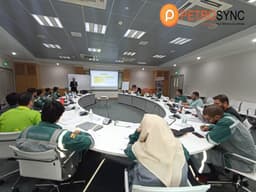
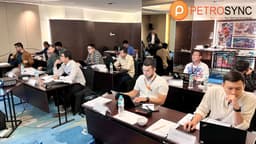
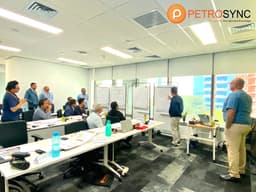
PetroSync provides a training approach that focuses on real application, not just theory, helping engineers become more confident in their daily work.
1. Training Built Around Real Pressure Vessel Cases from Field Experience
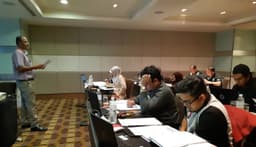
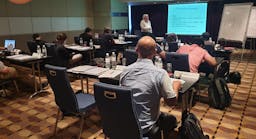
The training uses real pressure vessel cases commonly faced in the field. This helps engineers understand actual challenges and prepares them to handle similar situations in their daily responsibilities.
2. Structured Learning That Improves Daily Inspection Decision-Making
Each session is designed to improve how engineers think and decide. The structured approach makes it easier to apply knowledge directly in inspection and maintenance activities.
3. Delivered by PetroSync to Support Certification and Long-Term Career Growth
PetroSync supports engineers in preparing for certification with a clear learning path. This not only improves technical capability but also opens opportunities for long-term career advancement.
In the end, inspection is not just about checking equipment, but about making the right decision at the right time. That confidence is what separates a good engineer from a trusted one.
In an industry where risks are real and expectations keep rising, engineers who grow are those who take control of their development. If decisions still feel uncertain, progress will always be limited. Now is the time to strengthen your skills and move forward with PetroSync.