/ PetroSync Boosts Inspector Career Growth with API 510 Training
PetroSync Boosts Inspector Career Growth with API 510 Training
Many engineers in the oil and gas industry start their careers fast. They jump into projects, learn directly in the field, and adapt to high-pressure environments. But after a few years, growth often slows down.
It’s not because of lack of experience. The real issue is that experience alone is no longer enough. When promotion opportunities appear, companies look for proof of competence, not just years of work.
When Experience Alone Is Not Enough to Move Forward
In real field conditions, many engineers face the same challenge. They are capable, experienced, and reliable, yet struggle to move forward because industry expectations continue to evolve.
Without relevant certification, experience often does not translate into career advancement, especially in larger or international projects.
1. Stuck in the Same Role Despite Years of Field Experience
Many engineers have spent 5 to 10 years in the field, yet remain in the same position because they lack certification that validates their expertise and strengthens their professional value.
2. Missed Promotion Opportunities Due to Lack of Certification
When promotion opportunities arise, certified candidates are often prioritized, even with similar experience, because they are seen as more prepared to meet industry standards and responsibilities.
3. Struggling to Prove Competence Beyond Daily Tasks
Handling daily tasks is important, but without formal recognition, it becomes difficult to demonstrate that those skills meet internationally accepted inspection standards and expectations.
4. Feeling Left Behind as Industry Standards Keep Evolving
Industry standards continue to change over time, and without continuous learning, many engineers begin to feel left behind compared to peers who already hold recognized certifications.
Turning Experience into Recognized Expertise
The solution is not working longer hours, but turning experience into recognized expertise. Engineers need to understand how the industry measures competence and prepares professionals for higher responsibility.
With the right approach, field experience can become a strong foundation for achieving professional recognition and advancing to the next level.
1. Understanding What It Takes to Qualify as a Certified Inspector
Engineers need clear insight into certification requirements, including experience criteria, training hours, and exam scope, so they can prepare effectively with a focused and realistic plan.
2. Building Credibility Through API 510 Training
Structured training helps engineers build credibility by understanding inspection standards for pressure equipment in a practical way that aligns with real industry expectations.
3. Gaining Structured Knowledge That Aligns with Industry Needs
Learning in a structured format allows engineers to connect their experience with standardized knowledge used by global companies, making their skills more relevant and recognized.
4. Increasing Confidence to Handle Real Inspection Responsibilities
With better understanding and preparation, engineers become more confident in handling inspection responsibilities, including decision-making, reporting, and accountability in real field situations.
Why Engineers Choose PetroSync for Career Advancement
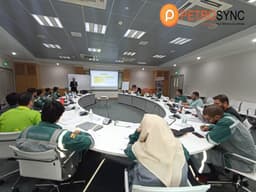
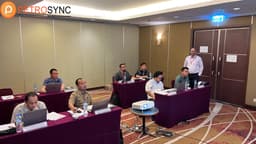
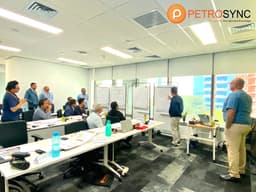
PetroSync provides a practical path for engineers who want to grow without leaving their current roles. The program is designed to match real field needs and deliver measurable career impact.
With a results-oriented approach, many participants have successfully improved their competence and unlocked new career opportunities.
1. Practical Learning Designed for Real Field Challenges
The training materials are based on real field scenarios, allowing engineers to easily relate what they learn to their daily work without being overwhelmed by unnecessary theoretical complexity.
2. Clear Guidance Toward Certification Readiness
Participants receive step-by-step guidance, including exam preparation, practice questions, and structured reviews, helping them approach certification with clarity and confidence.
3. Supportive Environment Built for Working Professionals
The program is designed with flexibility in mind, typically ranging from 24 to 40 training hours, making it suitable for engineers who need to balance learning with ongoing project responsibilities.
4. Proven Track Record in Developing Competent Inspectors
Hundreds of engineers have completed the program and successfully advanced their careers, moving into roles such as inspector, supervisor, or specialist in leading oil and gas companies.