/ PetroSync Strengthens Industrial Safety and Reliability through Technical Training Programs
PetroSync Strengthens Industrial Safety and Reliability through Technical Training Programs
Industrial Safety Challenges Continue to Affect Operational Reliability
Inconsistent Inspection Practices Increase Operational Risk
Many industrial facilities still depend heavily on inconsistent manual inspection practices daily. Different inspection approaches often create unnoticed operational risks across critical production equipment.
Several maintenance teams experience unexpected shutdowns caused by overlooked inspection irregularities recently. Minor corrosion findings sometimes escalate into expensive operational disruptions without proper technical evaluation.
Limited Technical Knowledge Reduces Equipment Reliability
Many inspection personnel struggle identifying early equipment deterioration during routine operational assessments. Limited technical understanding often delays corrective maintenance decisions across industrial production facilities.
Pressure vessels and piping systems require accurate evaluations under continuously demanding operational conditions. Without updated competency, teams frequently misinterpret inspection findings affecting equipment reliability significantly.
Companies Face Pressure to Maintain Safe and Efficient Operations
Industrial companies continuously balance operational safety targets alongside demanding production performance expectations. Management teams also face increasing pressure maintaining compliance during evolving industrial regulations.
At the same time, experienced inspectors become increasingly difficult replacing across industrial sectors globally. Many organizations now prioritize structured technical training supporting long-term workforce competency development.
Technical Training Helps Improve Safety and Inspection Competency
Practical Learning Supports Better Inspection Decisions
Many engineers understand inspection theories but struggle applying them during operational emergencies effectively. Real operational challenges often require quick technical decisions under significant production pressures.
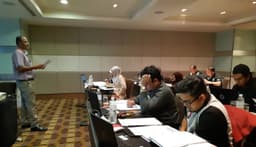
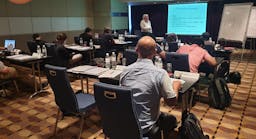
Programs like API 510 Training help inspection teams strengthen practical field decision-making capabilities. Participants learn realistic inspection scenarios commonly affecting pressure vessel operational reliability directly.
Standardized Training Helps Reduce Technical and Safety Gaps
Different operational facilities often implement varying inspection standards and inconsistent reporting procedures internally. These inconsistencies frequently complicate maintenance coordination during shutdowns and operational audits significantly.
Structured technical training helps companies standardize inspection understanding across multidisciplinary operational teams effectively. Better alignment usually improves communication between inspectors, engineers, and maintenance departments consistently.
Continuous Development Supports Reliable API 510 Inspection Practices
Industrial equipment conditions continuously evolve alongside changing operational demands and maintenance challenges globally. Inspection personnel therefore require continuous learning supporting accurate field evaluation and reporting processes.
Many professionals regularly study resources discussing API 510 inspection standards and practical applications. Updated technical knowledge helps teams improve inspection confidence during complex operational assessments significantly.
Stronger Competency Helps Improve Operational Safety Across Facilities
Competent inspection teams often identify operational risks before serious production disruptions eventually occur. Early technical findings usually support faster maintenance responses across critical industrial facilities consistently.
Several companies recently reported fewer recurring maintenance issues after improving workforce inspection competency. Stronger technical understanding also contributes supporting safer industrial operational environments long-term successfully.
PetroSync Supports Safer and More Reliable Industrial Operations
Training Programs Are Built Around Real Operational Challenges
Technical professionals prefer practical learning experiences reflecting realistic industrial operational situations directly today. Generic classroom discussions often fail preparing teams facing complex maintenance and inspection challenges.
Modern technical training increasingly focuses discussing actual operational problems experienced across industrial sectors. Participants therefore gain more applicable understanding supporting workplace technical decision-making responsibilities effectively.
Flexible Learning Solutions Help Teams Improve Technical Readiness
Industrial companies frequently struggle scheduling technical training during demanding operational production periods efficiently. Rotating shifts and shutdown schedules often complicate workforce competency development planning internally.
Flexible learning solutions now help organizations maintain technical readiness without disrupting operational activities significantly. Many companies integrate workforce development alongside long-term maintenance and operational planning strategies.
PetroSync Supports Long-Term Workforce Development Across Industrial Sectors
Industrial workforce development increasingly influences operational reliability and long-term facility safety performance today. Companies now recognize competency development supporting sustainable industrial operational continuity more effectively.
PetroSync continues supporting industrial professionals through practical technical training focused operational challenges. Continuous learning ultimately helps organizations strengthen workforce readiness across evolving industrial operational environments.