/ Content Marketing Strategies to Increase Brand Awareness and Sales
Content Marketing Strategies to Increase Brand Awareness and Sales
Content Marketing Strategies to Increase Brand Awareness and Sales—Amid increasingly intense digital competition, companies cannot rely solely on directly promoting their products. Audiences are generally more interested in content that is relevant, useful, and capable of addressing their needs. Content marketing can therefore be used to introduce a brand, build trust, and guide potential customers toward making a purchase. With the right strategy, companies can develop articles, videos, social media posts, emails, and various other content formats to support every stage of the customer journey. So, how can businesses develop an effective content marketing strategy to increase brand awareness and sales? Let’s explore the strategies below.
What Is Content Marketing?
Content marketing is a marketing strategy focused on creating and distributing relevant, valuable, and consistent content to attract and retain a target audience. This content may take the form of articles, videos, infographics, podcasts, emails, case studies, e-books, or social media posts.
Unlike direct promotion, content marketing provides the information or solutions audiences need before introducing them to specific products and services. This strategy helps companies build brand awareness, demonstrate expertise, increase trust, and support potential customers throughout every stage of the customer journey until they make a purchase.
Why Is Content Marketing Important for Businesses?
Content marketing helps businesses reach audiences through relevant and valuable information instead of relying solely on direct promotion. Content that addresses the audience’s needs or challenges can attract attention, build trust, and make the brand easier to recognize and remember.
In addition to increasing brand awareness, content marketing can support multiple stages of the customer journey. Educational content helps audiences understand their challenges and the available solutions, while case studies, testimonials, and product comparisons can strengthen their considerations before making a purchase. Content therefore plays a role in guiding potential customers from initially discovering the brand to completing a transaction.
This strategy can also improve a business’s visibility in search engines, generate organic website traffic, and strengthen the company’s credibility. When implemented consistently and measured effectively, content marketing can provide long-term benefits while helping increase engagement, leads, customer loyalty, and sales.
Effective Content Marketing Strategies
A content marketing strategy should be planned according to business objectives, audience needs, and the stages of the customer journey. Below are several steps companies can take to increase brand awareness while supporting sales.
Set Clear Objectives
Determine the results the company wants to achieve, such as increasing brand awareness, website traffic, engagement, leads, or sales. Clear objectives help businesses select the appropriate content types, distribution channels, and performance metrics.
Understand the Target Audience
Identify the characteristics, needs, habits, and challenges of the target audience. Companies can create buyer personas to ensure that their chosen topics, formats, language styles, and platforms are relevant to potential customers.
Align Content with the Customer Journey
Create content based on the awareness, consideration, and decision stages. Educational content can introduce a problem, while case studies, testimonials, product demonstrations, and FAQs can help audiences evaluate possible solutions and make decisions.
Define Content Pillars
Content pillars are the main themes that serve as the foundation for content development. These themes may include education, products, industry insights, customer stories, and company information, allowing publications to remain varied yet focused.
Choose the Right Content Formats
Match each format to the message and the audience’s content consumption habits. Articles are suitable for in-depth discussions, videos work well for demonstrations and storytelling, while infographics and social media posts can communicate information more concisely.
Create a Content Calendar
A content calendar helps organize topics, formats, channels, production schedules, and publication dates. This planning maintains consistency while making coordination between the teams involved easier.
Optimize Content for SEO
Conduct keyword research and optimize titles, structure, content, meta descriptions, internal links, and technical website elements. SEO helps content reach audiences who are actively searching for information related to the company’s products or industry.
Distribute Content Across Multiple Channels
Publish and promote content through websites, social media, email, online communities, and other digital channels. A single core asset can also be adapted into several formats to reach audiences across different platforms.
Include a Call-to-Action
Every piece of content should provide a clear next step, such as reading another article, subscribing to a newsletter, downloading an e-book, contacting the sales team, or purchasing a product. The CTA should be relevant to the topic and the audience’s stage in the customer journey.
Analyze and Optimize Performance
Monitor metrics such as reach, engagement, traffic, keyword rankings, conversion rates, leads, and sales. Use the findings to identify the most effective content and improve future strategies.
Types of Content Businesses Can Use
Companies can use various content types depending on their marketing objectives, target audience characteristics, and stages of the customer journey. Combining multiple formats helps businesses communicate their messages more effectively while reaching audiences across different channels.
Blog Articles
Blog articles can answer audience questions, discuss specific challenges, and provide industry insights. When optimized for SEO, articles can also improve website visibility and generate organic traffic over the long term.
Social Media Content
Social media content can include images, carousels, short videos, polls, and interactive posts. These formats help increase reach, generate engagement, and maintain regular communication with audiences.
Videos
Videos combine visuals, audio, text, and storytelling, making information easier to understand. Companies can produce educational videos, tutorials, product demonstrations, interviews, behind-the-scenes content, testimonials, and short-form social media videos.
Infographics
Infographics are suitable for simplifying data, processes, or complex information into concise visual presentations. This content can also be easily shared through websites, presentations, and social media.
E-books and White Papers
E-books and white papers can explore topics in depth while demonstrating a company’s expertise. They can also be used as lead magnets by asking audiences to complete a form before downloading them.
Case Studies and Testimonials
Case studies explain a customer’s problem, the solution implemented, and the results achieved. Meanwhile, testimonials provide social proof that can strengthen potential customers’ trust before they make a decision.
Email Marketing
Email marketing can be used to share content, product information, promotional offers, and company updates directly with audiences. Messages can be customized according to the needs and customer journey stages of each audience segment.
Podcasts and Webinars
Podcasts and webinars are suitable for discussing industry insights, featuring guest speakers, or exploring topics in greater depth. Both formats can help build credibility while creating closer interactions with audiences.
How to Measure Content Marketing Success
Content marketing success should be measured according to predetermined objectives, such as increasing brand awareness, traffic, engagement, leads, or sales. Regular evaluations help companies identify effective content and determine which parts of the strategy need improvement.
Website Traffic
Monitor the number of visitors, page views, new users, returning visitors, and traffic sources. An increase in organic traffic can indicate that the content is becoming easier to find through search engines and successfully attracting relevant audiences.
Engagement
Engagement can be measured through likes, comments, shares, saves, time spent on the website, and other interactions. These metrics help determine whether the content can capture attention and encourage audiences to respond.
SEO Performance
Measure keyword rankings, organic traffic, impressions, click-through rates, and the number of indexed pages. These metrics demonstrate the content’s effectiveness in improving website visibility in search results.
Number and Quality of Leads
Monitor how many users complete forms, download materials, subscribe to newsletters, or contact the sales team. In addition to volume, evaluate lead quality based on how closely the leads match the target market and their potential to convert.
Conversion Rate
The conversion rate shows the percentage of users who complete the desired action, such as registering, requesting a consultation, or purchasing a product. This metric helps companies evaluate the content’s ability to encourage audiences to take the next step.
Brand Awareness
Brand awareness can be measured through reach, impressions, follower growth, brand mentions, branded searches, and share of voice. Surveys can also determine how well audiences recognize and remember the brand.
Customer Retention and Loyalty
Monitor repeat visits, email open rates, repeat purchases, and engagement from existing customers. These data points indicate whether the content can maintain relationships and encourage long-term loyalty.
Sales and Revenue
Analyze the content’s contribution to transactions, sales value, and revenue. Companies can use dedicated links, promotional codes, or attribution systems to identify the content and channels that generate the most conversions.
Return on Investment
ROI compares the results achieved with the costs of producing and distributing content. This calculation helps companies evaluate the strategy’s efficiency and determine budget allocations for future campaigns.
Content Marketing Mistakes to Avoid
Content marketing requires consistent planning and evaluation. Without a clear strategy, companies may spend time and money producing content that does not contribute to brand awareness or sales. Below are several mistakes businesses should avoid.
Failing to Set Objectives
Creating content without clear objectives makes it difficult for companies to select topics, formats, distribution channels, and success indicators. Determine from the beginning whether the content is intended to increase awareness, traffic, engagement, leads, or sales.
Failing to Understand the Target Audience
Content that does not address the audience’s needs and challenges will struggle to attract attention. Companies must understand the audience’s characteristics, preferences, behavior, and customer journey stages to deliver more relevant messages.
Focusing Too Heavily on Promotion
Content that continuously promotes products may cause audiences to lose interest. Balance promotional materials with educational, informative, inspirational, or entertaining content so the brand continues to provide value.
Creating Content Without a Strategy
Following trends or producing content randomly can make brand communication unfocused. Use content pillars and an editorial calendar to maintain topic variety while ensuring every piece of content supports the company’s marketing objectives.
Overlooking Content Quality
Content containing inaccurate information, unclear structures, or poor-quality visuals and audio can reduce audience trust. Ensure that every piece goes through research, editing, and review before publication.
Publishing Inconsistently
An irregular publishing schedule makes it more difficult for brands to build relationships with their audiences. Develop a realistic content calendar and production workflow to maintain consistency without compromising quality.
Using the Same Content on Every Platform
Each platform has different audience characteristics and content formats. The brand identity and core message can remain consistent, but titles, duration, visual style, and delivery should be adapted to each channel.
Overlooking SEO and Distribution
High-quality content will not deliver optimal results if audiences cannot find it. Optimize content for search engines and distribute it through social media, email, online communities, and other relevant channels.
Failing to Include a Call-to-Action
Without a CTA, audiences may not know what to do after consuming the content. Include an appropriate invitation, such as reading another article, subscribing, downloading a resource, contacting the company, or purchasing a product.
Failing to Evaluate Performance
Companies should monitor traffic, engagement, leads, conversion rates, and sales to determine the strategy’s effectiveness. These insights can be used to improve topics, formats, distribution methods, and budget allocation for the next period.
VRITIMES: Press Release Distribution Service with Guaranteed Publication
Content marketing can generate better results when supported by an effective distribution strategy. In addition to using websites, social media, and email marketing, companies can use press releases to announce product launches, business achievements, partnerships, expansions, events, and other important information to a broader audience.
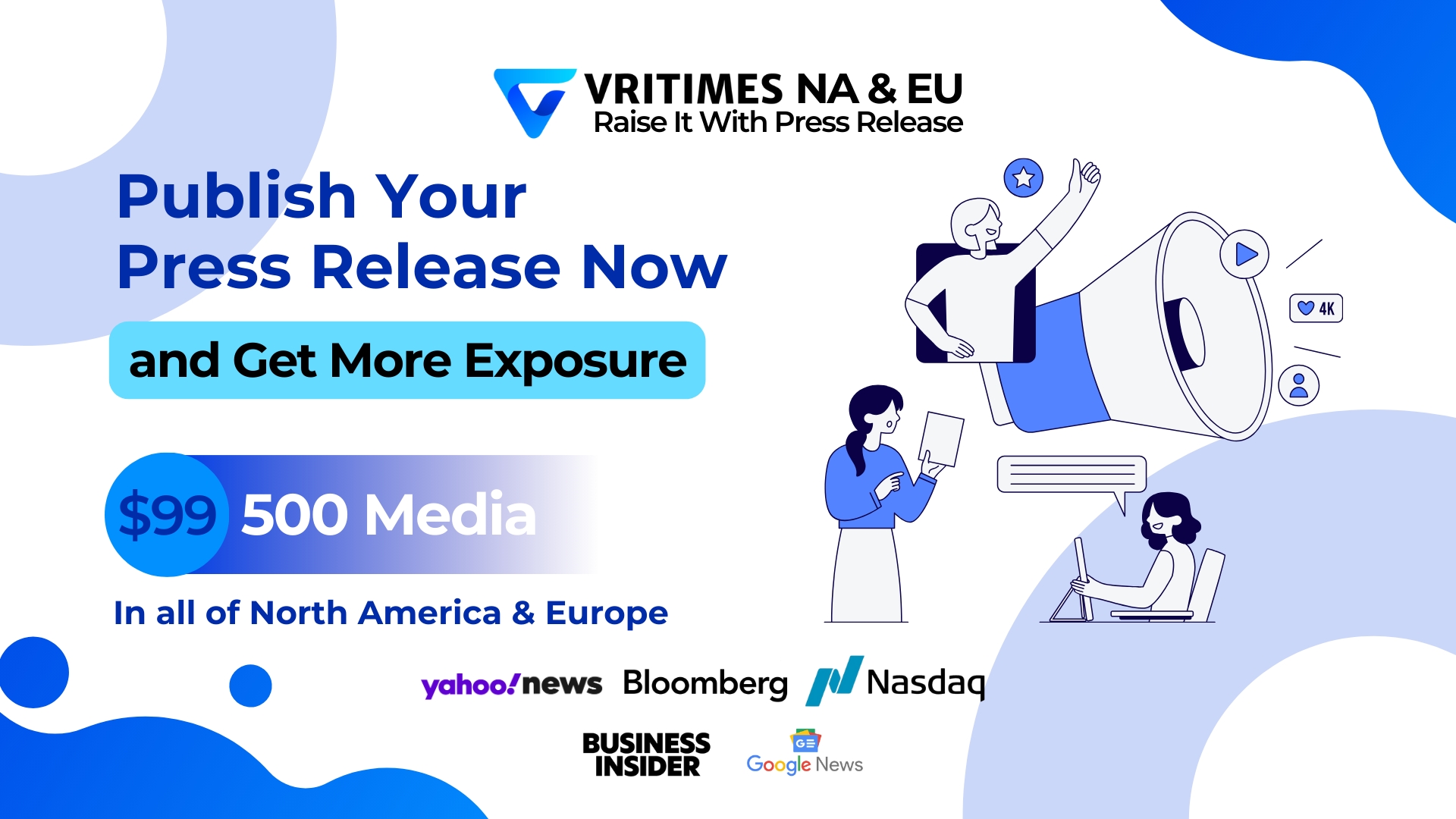
VRITIMES provides a press release distribution service with guaranteed publication across various online media outlets. This service helps companies manage the writing, publication, and distribution monitoring processes more efficiently. As a result, businesses can communicate information in a targeted manner without contacting each media outlet individually.
Publishing press releases through online media can improve brand visibility, expand content reach, build credibility, and generate traffic to the company’s website. Use VRITIMES’ press release distribution service to strengthen your content marketing strategy and help important business information reach wider audiences through relevant media outlets.