/ The Role of Media Exposure in Increasing Business Brand Awareness
The Role of Media Exposure in Increasing Business Brand Awareness
Amid increasingly intense business competition, having high-quality products or services alone is not enough to win the market. Many businesses struggle to grow not because their product quality is poor, but because they are not well known by their target audience. This is where media exposure plays an important role.
Media exposure can help businesses reach more audiences, increase credibility, and build broader brand awareness. When a business name frequently appears in the media, whether through online media, news portals, social media, or other digital publications, people become more familiar with the brand.
So, what exactly is media exposure? Why is it so important in building business brand awareness? Check out the complete explanation below.
What Is Media Exposure?
Media exposure is the level of visibility or exposure of a brand, product, service, or company across various media channels. This exposure can be obtained through media coverage, press release publications, news reporting, social media, influencer marketing, and digital campaigns.
Simply put, media exposure is the way a business presents itself to audiences through various communication platforms. The more often a business appears in relevant media, the greater the opportunity for people to recognize and remember the brand.
Media exposure does not always take the form of direct promotion. A news article about a company’s achievements, the launch of a new product, strategic partnerships, or a company’s CSR activities can also be considered effective forms of media exposure.
In the context of modern marketing, media exposure has become one of the key strategies for increasing public trust. Audiences tend to trust brands that frequently appear in credible media more than brands that rely solely on conventional advertising.
What Is Brand Awareness in Business?
Brand awareness is the level of awareness or ability of consumers to recognize a brand. The higher the brand awareness, the easier it is for audiences to remember a business name when they need a specific product or service.
For example, when someone needs a food delivery service, they may immediately think of a particular brand. This happens because the brand has successfully built strong awareness through consistent marketing strategies.
Brand awareness plays an important role in the customer journey. Before someone purchases a product, they must first recognize and trust the brand.
Some benefits of brand awareness in business include:
Helping increase customer trust.
Making a business easier to remember.
Increasing the likelihood of purchase.
Helping businesses win market competition.
Increasing customer loyalty.
When a brand has high awareness, customers are more likely to choose that brand over less well-known competitors.
Why Is Media Exposure Important for Business?
Media exposure has a major influence on business growth because it helps expand audience reach while strengthening a company’s image. Here are several reasons why media exposure is highly important.
1. Increasing Brand Credibility
When a company is featured in credible media, audiences tend to view the business as more professional and trustworthy. This is known as the social proof effect.
Media publications can help improve positive perceptions because people feel that the brand has received recognition from a third party.
2. Expanding Audience Reach
Media exposure allows businesses to reach new audiences who may not have previously known the brand. For example, a startup featured in national media can gain attention from investors, prospective customers, and potential business partners.
3. Helping Increase Brand Recall
The more frequently audiences see a business name across different media channels, the more likely they are to remember the brand. Brand recall is important because consumers generally choose brands that feel familiar.
4. Supporting Digital Marketing Strategies
Media exposure can also strengthen digital marketing strategies. Online media publications can help increase website traffic, strengthen SEO, and improve business visibility on search engines. In addition, media articles can be reshared through social media, enabling businesses to reach wider audiences.
5. Helping Build Consumer Trust
Trust is an important factor in purchasing decisions. When a business appears in trusted media, consumers tend to feel more secure in choosing that product or service.
Types of Media Exposure for Business
Every business has different exposure needs. Therefore, understanding the various types of media exposure that can be utilized is important for maximizing branding strategies. By choosing the right combination of media exposure, businesses can increase brand visibility while reaching more relevant audiences.
1. Earned Media
Earned media is exposure obtained organically without directly paying media outlets.
Examples include news coverage, customer reviews, media mentions, public recommendations, and discussions about a brand in online forums.
This type of exposure is often considered the most effective because it carries a high level of trust. When media outlets or customers voluntarily discuss a brand, audiences tend to view it as a more authentic form of validation compared to standard advertising.
Examples of earned media:
Media coverage about a company
Customer reviews
Articles discussing the brand
Social media mentions
Testimonials from customers or influencers
2. Owned Media
Owned media refers to media channels directly owned by a company and fully controlled by the business.
This type of media is important because it allows companies to communicate brand messages consistently without depending on third parties.
Examples include:
Company website
Business blog
Email marketing
Official social media accounts
Newsletter
Company applications
Owned media helps businesses build long-term relationships with audiences while strengthening brand identity.
3. Paid Media
Paid media is exposure obtained through promotional spending.
This strategy is commonly used to accelerate audience reach and increase awareness within a shorter period.
Examples include:
Google Ads
Social media advertisements
Sponsored content
Paid partnerships
Display ads
Influencer endorsements
Native advertising
Paid media is effective for supporting marketing campaigns, launching new products, and increasing website traffic.
4. Shared Media
Shared media involves audience interaction and content distribution.
This type of exposure usually develops through social media when audiences share brand content with their networks.
Examples include:
Viral content
Social media shares
UGC (User Generated Content)
Customer reposts
Online comments or discussions
Social media challenges
Shared media is highly effective in increasing engagement while expanding brand reach organically.
5. Media Exposure Through Press Releases
Press releases are among the most effective strategies for increasing business exposure.
Through press releases, companies can share important information such as product launches, business partnerships, company achievements, awards, and the latest innovations.
If a press release is published in trusted media outlets, its impact on brand awareness can increase significantly because the business gains additional credibility.
Examples of press release topics:
Launch of new products or services
Business expansion
Company collaborations
Startup funding
Corporate CSR programs
Business events or seminars
6. Influencer Media Exposure
Influencer media exposure is carried out through collaborations with content creators, Key Opinion Leaders (KOLs), or influencers whose audiences align with the target market.
When influencers discuss a product or service, audiences are usually more easily attracted due to the factors of familiarity and trust.
This strategy is widely used by businesses in fashion, beauty, culinary, education, and technology.
Several forms of influencer media exposure include:
Product reviews
Sponsored posts
Product live streaming
Affiliate marketing
Brand ambassadors
7. Event and Community Exposure
Participation in events, seminars, webinars, exhibitions, and communities is also considered an effective form of media exposure.
Through events, businesses can introduce their brand directly to audiences while building more personal relationships.
Examples include:
Becoming an event sponsor
Hosting educational webinars
Participating in industry expos
Building customer communities
Organizing workshops or seminars
This type of exposure is highly effective for increasing credibility while expanding business networking.
8. Media Exposure Through SEO and Digital Content
Digital content also plays a major role in increasing media exposure.
Blog articles, YouTube videos, podcasts, and educational content can help brands become easier to discover through search engines.
The more often a brand appears in Google search results, the greater the chance audiences will recognize the business.
Examples include:
SEO articles
Educational videos
Industry podcasts
Infographics
Business case studies
Whitepapers
The combination of the various types of media exposure above will help businesses build stronger and more sustainable brand awareness.
Strategies to Increase Media Exposure for Brands
Building media exposure requires the right strategy to achieve optimal results. Strong exposure does not happen instantly, but instead requires consistency, relevant approaches, and the selection of media that aligns with the target audience.
Businesses that successfully increase media exposure usually have clear and measurable communication strategies. Below are several strategies that can be implemented to expand brand reach while strengthening brand awareness.
1. Create an Engaging Brand Story
Media outlets are more interested in stories that are relevant and have news value. Rather than directly promoting products, focus on the story behind the brand, business innovation, the company’s journey, challenges that have been overcome, or the positive impact delivered to society.
For example, instead of simply saying “our product is the best,” companies can share how their product helps solve customer problems. Strong storytelling helps brands appear more human, memorable, and emotionally connected with audiences.
Things that can be turned into brand stories include:
The journey of building the business
Founder or team stories
Product innovation
Corporate social impact
Customer success stories
Product usage case studies
2. Consistently Distribute Press Releases
Media publications should be carried out consistently to keep the brand relevant in the public eye. Many businesses only publish news when launching a new product. In fact, there are many moments that can be turned into press release material. Businesses can periodically distribute press releases regarding:
Product or service launches
Business achievements
Strategic partnerships
Company funding
CSR programs
Corporate events
New branch openings
Specific milestone achievements
Consistency helps maintain brand presence in the minds of audiences. The more frequently a brand appears in trusted media, the higher the chance the public will recognize and remember the business.
3. Maximize Social Media Usage
Social media can help extend the results of exposure gained from media publications.
After an article is published in the media, share it again through platforms such as Instagram, LinkedIn, Facebook, TikTok, and X so that exposure does not stop in just one channel.
For example, businesses can repurpose media articles into:
Instagram carousels
Short videos
LinkedIn threads
Educational content
Behind-the-scenes business content
This content repurposing strategy helps businesses gain longer-lasting exposure benefits while increasing engagement with audiences.
In addition, social media algorithms tend to favor content that is relevant and has high interaction.
4. Collaborate with Relevant Media
Choose media outlets that align with the business target market. Not all media channels are suitable for every industry. Therefore, it is important to choose media with audiences that match the business niche.
For example:
Technology businesses are suitable for startup and technology media.
Beauty businesses are more relevant to lifestyle media.
Property businesses are better suited for investment and real estate media.
Educational businesses can benefit from education-focused media.
Selecting the right media helps ensure that brand messages are delivered to audiences with genuine potential.
5. Use Press Release Distribution Services
Many businesses struggle to reach media outlets directly due to limited connections, media databases, or experience in writing press releases.
Therefore, using press release distribution services can help make the publication process faster, more efficient, and more targeted.
Press release distribution platforms allow business news to be spread across various trusted online media outlets, increasing the opportunity to gain exposure.
In addition to saving time, businesses can also achieve more measurable publication results.
6. Collaborate with Influencers or KOLs
Influencer marketing has become one of the most effective strategies for increasing media exposure, especially in the digital era. Collaborating with influencers or Key Opinion Leaders (KOLs) can help brands reach more specific audiences with high engagement rates. However, it is important to choose influencers who are relevant to the business target market.
For example:
Skincare products are suitable for beauty influencers.
Educational platforms work well with educational creators.
Technology products are better suited to tech reviewers.
The right collaboration can help build trust while increasing awareness more quickly.
7. Create High-Value Educational Content
Educational content has a greater chance of being shared by audiences or republished by media outlets.
Instead of only selling products, businesses can build a reputation as a trusted source of information.
Examples of educational content:
Industry tips
Business insights
Whitepapers
Data reports
Webinars
SEO blog articles
Tutorial videos
Content that provides value usually has a longer lifespan and can generate sustainable exposure.
8. Optimize SEO to Increase Exposure
Search Engine Optimization (SEO) helps brands become easier to find through search engines such as Google. When a business appears on the first page of search results, the opportunity to gain organic traffic and exposure becomes much greater.
Several SEO strategies that can be implemented include:
Using relevant keywords
Creating high-quality articles
Website optimization
Link building
Website speed optimization
Creating evergreen content
The higher the brand’s visibility in search results, the greater the possibility audiences will recognize the business.
9. Utilize Events and Webinars
Business events, webinars, seminars, and workshops can serve as highly effective exposure channels. Through these activities, businesses have the opportunity to introduce their brand directly while building stronger relationships with audiences. In addition, events may also attract media coverage, helping brand exposure expand further.
Examples include:
Educational industry webinars
Professional workshops
Product launches
Business seminars
Community collaborations
10. Measure and Evaluate Media Exposure Results
A good exposure strategy should always be accompanied by regular evaluation. Without measurement, businesses will struggle to determine whether their strategies are effective or not. Some indicators that can be measured include:
Number of media publications
Reach and impressions
Website traffic
Incoming leads
Social media engagement
Brand mentions
Increase in branded search volume on Google
Through evaluation, businesses can understand which strategies are most effective and optimize future campaigns.
Ultimately, successful media exposure strategies are not only about how frequently a brand appears in the media, but also about how relevant that exposure is to the target audience and business goals.
Common Mistakes in Building Media Exposure
Building media exposure can significantly improve business visibility. However, many brands still fail to achieve optimal results because they make several fundamental mistakes. As a result, media publications do not provide a major impact on increasing brand awareness or business growth. Below are several common mistakes to avoid:
1. Focusing Too Much on Promotion
One of the most common mistakes is focusing too heavily on directly selling products or services. Many businesses create publication materials that only contain promotions, discounts, or purchase invitations without offering truly valuable information to audiences.
In reality, media outlets are generally more interested in content that has news value, educational insights, innovation, industry trends, research data, business inspiration, or social impact that can provide broader benefits to readers.
For example, rather than simply publishing “our latest product is now available,” it would be more compelling for businesses to discuss how the product helps solve customer problems, the innovation process behind its development, or relevant industry insights.
More informative content tends to have a greater chance of being published by media and generating higher engagement from audiences.
2. Inconsistent Exposure Efforts
Many businesses believe that one media publication is enough to build brand popularity. In fact, media exposure is a long-term process that requires consistency.
Audiences usually need several interactions with a brand before they truly recognize and remember it. If a business only appears occasionally, the brand will be difficult to retain in consumers’ minds.
Consistency in exposure can be achieved through several ways, such as:
Regularly distributing press releases
Actively sharing industry insights
Participating in events or webinars
Collaborating with media and influencers
Regularly updating business information
The more frequently a brand appears on relevant platforms, the greater the opportunity to build credibility and public trust.
3. Choosing the Wrong Media
Not all media outlets have the same audience. Another common mistake is choosing media solely based on popularity without considering whether the readership matches the business market.
For example, B2B businesses may be more effective when featured in business, technology, or professional industry media rather than general entertainment outlets. On the other hand, fashion or lifestyle brands may be more suitable for lifestyle, entertainment, or visual platforms.
When choosing media, businesses should consider several factors:
Alignment between media audiences and target market
Media credibility and reputation
Types of content commonly published
Audience reach and engagement
Industry relevance to the business
Selecting the right media helps make exposure more effective because the brand message reaches genuinely potential customers.
4. Failing to Measure Exposure Results
Another common mistake is not evaluating the results of media exposure. Many businesses feel satisfied once their news is published without actually understanding its impact on brand performance.
In fact, measuring exposure effectiveness is essential to determine which strategies work and which need improvement.
Several indicators that can be used to measure media exposure success include:
Number of media appearances or publications
Website traffic after publication
Social media follower growth
Engagement rates (likes, shares, comments, mentions)
Number of brand mentions online
Generated leads or business prospects
Increase in branded searches on Google
Conversion rate after exposure campaigns
Through regular evaluation, businesses can better understand which media types are most effective, what content topics attract the most audience attention, and which publication strategies generate the best impact.
5. Not Having a Clear Brand Message
Some businesses change their communication messages too frequently, causing audiences to become confused about the brand’s identity. For example, one week focusing on affordable pricing, the next emphasizing premium quality, and later positioning itself as an exclusive brand.
Such inconsistency can reduce the effectiveness of media exposure because audiences struggle to understand the brand positioning.
Ideally, businesses should have a clear core message regarding:
The brand’s main value
The problem it aims to solve
Competitive advantages
Primary target audience
A consistent message helps build a stronger brand identity in the public eye.
6. Ignoring the Power of Digital Media
Some businesses still focus on only one type of exposure, such as print media or news websites, without utilizing the potential of other digital channels.
In fact, combining multiple exposure channels can deliver better results, such as:
Online media publications
Social media marketing
Influencers or KOLs
SEO content marketing
Video marketing
Email marketing
A multichannel approach helps brands reach broader audiences while increasing the chances that business messages will be seen repeatedly by potential customers.
7. Lacking a Long-Term Strategy
Media exposure is not an instant strategy with results visible within a day or a week. Many businesses stop too early because they feel they have not yet seen significant impact. In reality, building brand awareness requires time, repetition, and sustainable strategies. Exposure conducted consistently over the long term creates an accumulative effect, where brands become increasingly recognized, trusted, and easier for consumers to remember.
VRITIMES: Press Release Distribution Service with Publication Guarantee
For businesses looking to improve media exposure more practically, using a press release distribution service can be an effective solution.
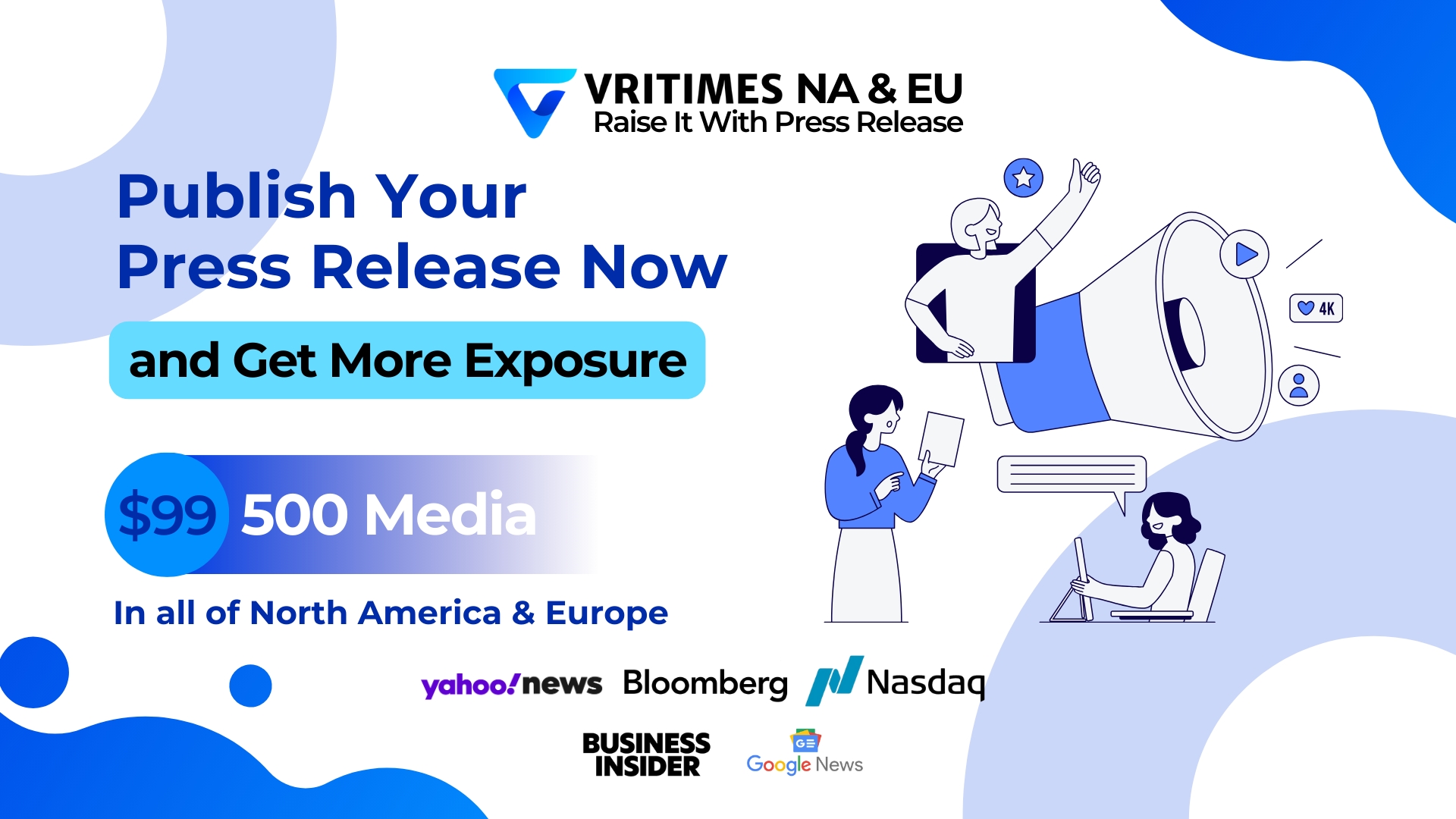
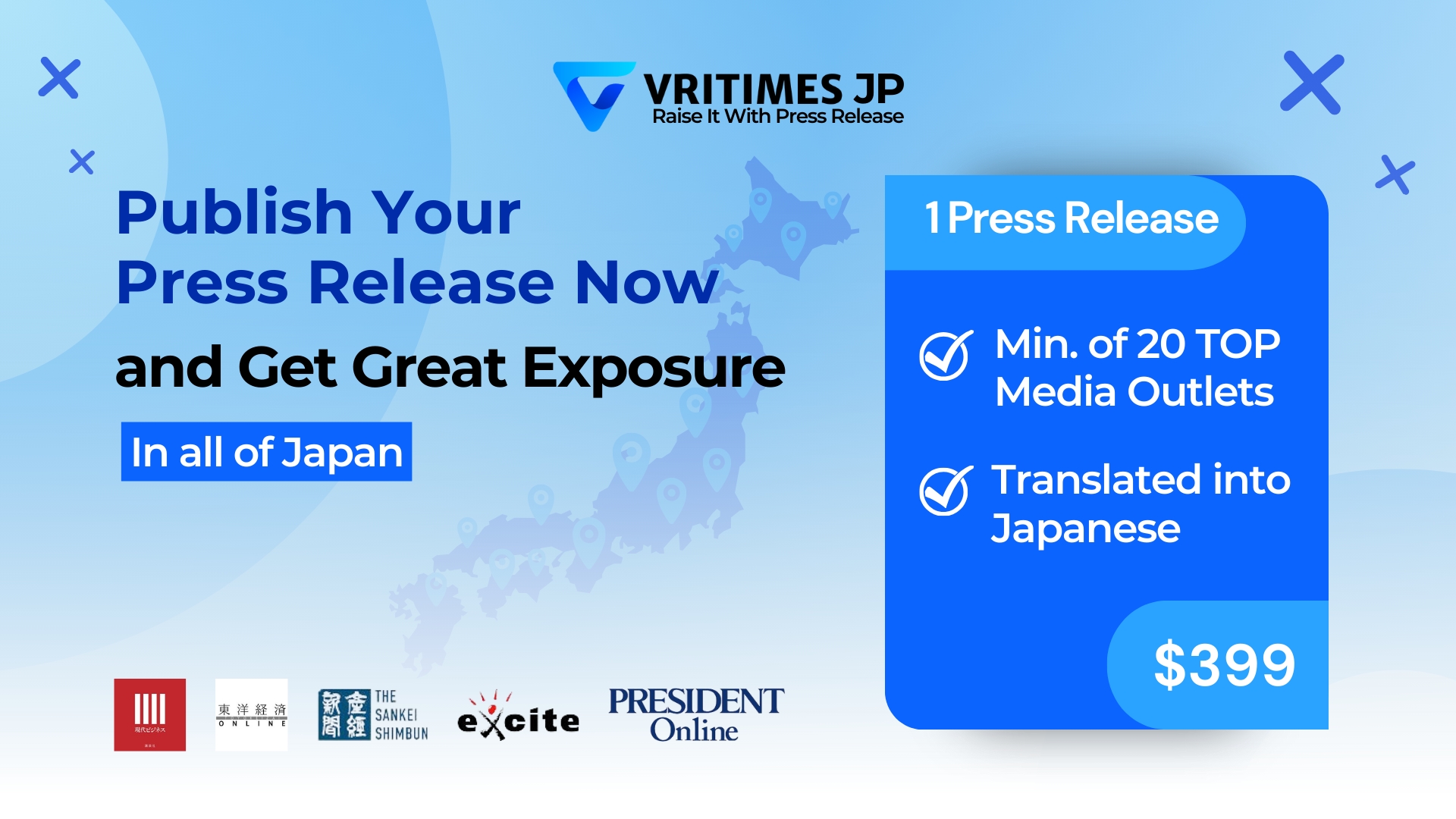
As a press release distribution platform, VRITIMES helps businesses, startups, MSMEs, and large corporations distribute news across various trusted online media outlets.
Through press release distribution services, businesses can gain publication opportunities in relevant media, helping increase brand visibility and strengthen brand awareness.
Advantages of using press release distribution services such as VRITIMES include:
Faster distribution process
Wider media reach
Helping improve business credibility
Supporting SEO strategies through online publication
Publication guarantees to improve certainty of exposure
In today’s digital era, media exposure is no longer merely a complement to marketing strategies but has become an essential part of business growth. With the right strategy and consistent media publication support, brand awareness can increase significantly and help businesses become more easily recognized in the market.