/ SEO vs Social Media: Which Is More Effective for Business Growth?
SEO vs Social Media: Which Is More Effective for Business Growth?
SEO vs Social Media–Businesses have many marketing channels to reach potential customers. Two of the most commonly used strategies are Search Engine Optimization (SEO) and social media. Both can improve a business's online visibility, but they differ in how they work, their objectives, and the results they deliver. Many business owners struggle to determine which strategy is more effective because each offers its own unique advantages.
Understanding the differences between SEO and social media is essential for making the most of your marketing budget, time, and resources. SEO helps businesses generate sustainable organic traffic through search engines, while social media is more effective for building engagement, increasing brand awareness, and reaching audiences quickly. By understanding the strengths, limitations, and ways to combine these two strategies, businesses can develop a more effective digital marketing plan that supports long-term growth.
What Is SEO?
Search Engine Optimization (SEO) is a collection of strategies designed to optimize a website so it can be found more easily and rank higher in search engine results, such as Google. The primary goal of SEO is to increase organic traffic without relying on paid advertising. By implementing effective SEO practices, a website has a greater chance of appearing when potential customers search for relevant information, products, or services.
SEO covers various aspects, including keyword research, creating high-quality content, optimizing website structure, improving page speed, and enhancing user experience. In addition, factors such as backlinks, mobile-friendliness, and website credibility also influence SEO performance. Because its results are long-term, SEO has become one of the most widely used digital marketing strategies for building online visibility, increasing business credibility, and consistently attracting potential customers.
What Is Social Media Marketing?
Social media marketing is a marketing strategy that uses various social media platforms, such as Instagram, Facebook, LinkedIn, TikTok, and X, to promote products or services, build relationships with audiences, and increase brand awareness. Unlike SEO, which focuses on optimizing websites for search engines, social media marketing relies on engaging content, user interactions, and rapid content distribution to reach a wider audience.
This strategy includes a wide range of activities, from creating content and managing social media accounts to engaging with followers, running paid advertising campaigns, and analyzing content performance. When implemented effectively, social media marketing can help businesses increase engagement, expand audience reach, build communities, and drive traffic to websites or product pages. Because results can often be seen within a relatively short period, social media has become one of the most effective marketing channels for introducing a brand while supporting business growth.
Differences Between SEO and Social Media
Although both are important components of a digital marketing strategy, SEO and social media differ in how they work, their objectives, and the results they produce. SEO focuses on optimizing websites so they can be easily found through search engines such as Google, while social media aims to build engagement and expand brand reach through platforms such as Instagram, LinkedIn, TikTok, Facebook, and X. Understanding these differences helps businesses choose the strategy that best aligns with their marketing goals.
Main Objectives
SEO aims to improve a website's visibility in organic search results so businesses can attract relevant traffic from users actively searching for specific information, products, or services. In contrast, social media primarily focuses on building brand awareness, increasing engagement, and creating two-way communication between businesses and their audiences.
Time Required to See Results
SEO generally takes longer to produce results because a website must go through an optimization process and build credibility in the eyes of search engines. However, the results tend to last longer and can consistently generate organic traffic over time. On the other hand, social media can deliver faster results, especially when content captures users' attention or goes viral. Nevertheless, content reach often declines quickly, making consistent posting and audience engagement essential.
Target Audience
Users who visit a website through SEO typically have a more specific intent because they are actively searching for information using particular keywords in search engines. Meanwhile, social media reaches audiences based on their interests, behaviors, and platform algorithms, making it highly effective for introducing a brand to potential customers who may not have been aware of the business before.
Costs Involved
SEO generally requires investment in producing high-quality content, optimizing websites, and developing a long-term strategy. Although it can be implemented without paying for advertisements, it still requires consistent time, effort, and resources. In comparison, social media can be used for free through organic content, but many businesses also invest in paid advertising to reach a larger audience within a shorter period.
Impact on Brand Awareness and Sales
SEO plays a significant role in increasing business credibility because websites that appear on the first page of search results are often perceived as more trustworthy by potential customers. In addition, SEO attracts prospects with higher purchase intent, increasing the likelihood of conversions. Meanwhile, social media is highly effective for building brand awareness, strengthening customer relationships, increasing engagement, and encouraging purchases through attractive promotions and marketing campaigns. When used together, SEO and social media complement each other to support sustainable business growth.
When Should You Choose SEO?
SEO is the right choice for businesses that want to build a sustainable digital presence. Although it does not produce instant results, SEO can consistently generate organic traffic, improve website credibility, and help businesses reach potential customers who are actively searching for the products or services they offer. Below are several situations where SEO should be prioritized.
When You Want to Build Organic Traffic
If your primary goal is to attract website visitors without relying heavily on paid advertising, SEO is the ideal strategy. By optimizing your content and website with relevant keywords, your business can appear in Google search results and generate sustainable organic traffic. The higher your website ranks in search engines, the greater your chances of attracting new visitors.
When You Want to Increase Website Credibility
Websites that appear on the first page of search results are generally considered more trustworthy by potential customers. For this reason, SEO not only improves visibility but also strengthens your business's reputation. Informative content, a well-structured website, and an excellent user experience all contribute to higher credibility while increasing the likelihood of conversions.
When You Are Targeting Long-Term Results
Unlike marketing strategies that produce immediate results, SEO is a long-term investment. Well-optimized content can continue generating traffic as long as it remains relevant and is updated regularly. This makes SEO an ideal strategy for businesses looking to achieve sustainable growth while reducing long-term dependence on paid advertising.
When Potential Customers Are Actively Searching for Your Products or Services
SEO is especially effective for businesses that offer products or services frequently searched for through search engines. When potential customers type relevant keywords into Google, an optimized website has a greater chance of appearing in search results. As a result, businesses can reach audiences who already have a clear need or interest, leading to higher conversion opportunities.
When Should You Use Social Media?
Social media is an excellent choice for businesses that want to build relationships with their audience quickly and interactively. Through various social media platforms, businesses can introduce their brand, communicate directly with customers, and share information in real time. Although social media often delivers results faster than SEO, it still requires consistent content creation and audience engagement to maximize its effectiveness. Below are several situations where social media should be prioritized.
When You Want to Increase Brand Awareness
If your primary objective is to introduce your brand to a larger audience, social media is one of the most effective channels available. Engaging and shareable content can help your business reach a broader audience and even go viral. The more frequently your brand appears in users' feeds, the greater the likelihood that potential customers will recognize and remember it.
When You Want to Build Audience Engagement
Social media enables businesses to communicate directly with their audience through comments, direct messages, and other interactive features. These interactions help businesses better understand customer needs, respond to inquiries quickly, and build stronger relationships with their audience. High engagement can also improve customer loyalty and strengthen a brand's positive reputation.
When Running Short-Term Promotions or Campaigns
Social media is an ideal platform for promoting new products, announcing discounts, or running time-sensitive marketing campaigns. Information can be delivered quickly through both organic posts and paid advertisements. This flexibility makes social media highly effective for capturing attention and encouraging immediate customer responses.
When You Want to Reach New Audiences
Social media algorithms display content based on users' interests, behaviors, and demographic characteristics. This allows businesses to reach potential customers who may not have been familiar with the brand previously. With the right content strategy and audience targeting, social media can effectively expand market reach while attracting new customers.
Best Strategy: Combining SEO and Social Media
SEO and social media are often viewed as competing marketing strategies. In reality, they complement each other and work best when used together to increase business visibility, reach a wider audience, and generate more conversion opportunities. SEO helps drive organic traffic through search engines, while social media expands content distribution and strengthens relationships with audiences. By integrating both strategies, businesses can achieve more effective and sustainable digital marketing results.
Use Social Media to Distribute SEO Content
After publishing a new article or webpage, share it across social media platforms such as LinkedIn, Instagram, Facebook, and X. This approach helps expand your content's reach, drive more visitors to your website, and increase the likelihood of your content being shared by others. The more people read and engage with your content, the greater the opportunity for your website to gain broader exposure.
Direct Social Media Audiences to Your Website
Social media should not only be used to build engagement but also as a gateway to your business website. Include links to blog articles, landing pages, product pages, or contact forms in relevant social media posts. This enables interested audiences to access more detailed information while increasing website traffic, which also supports your overall SEO strategy.
Use Press Releases to Strengthen Online Visibility
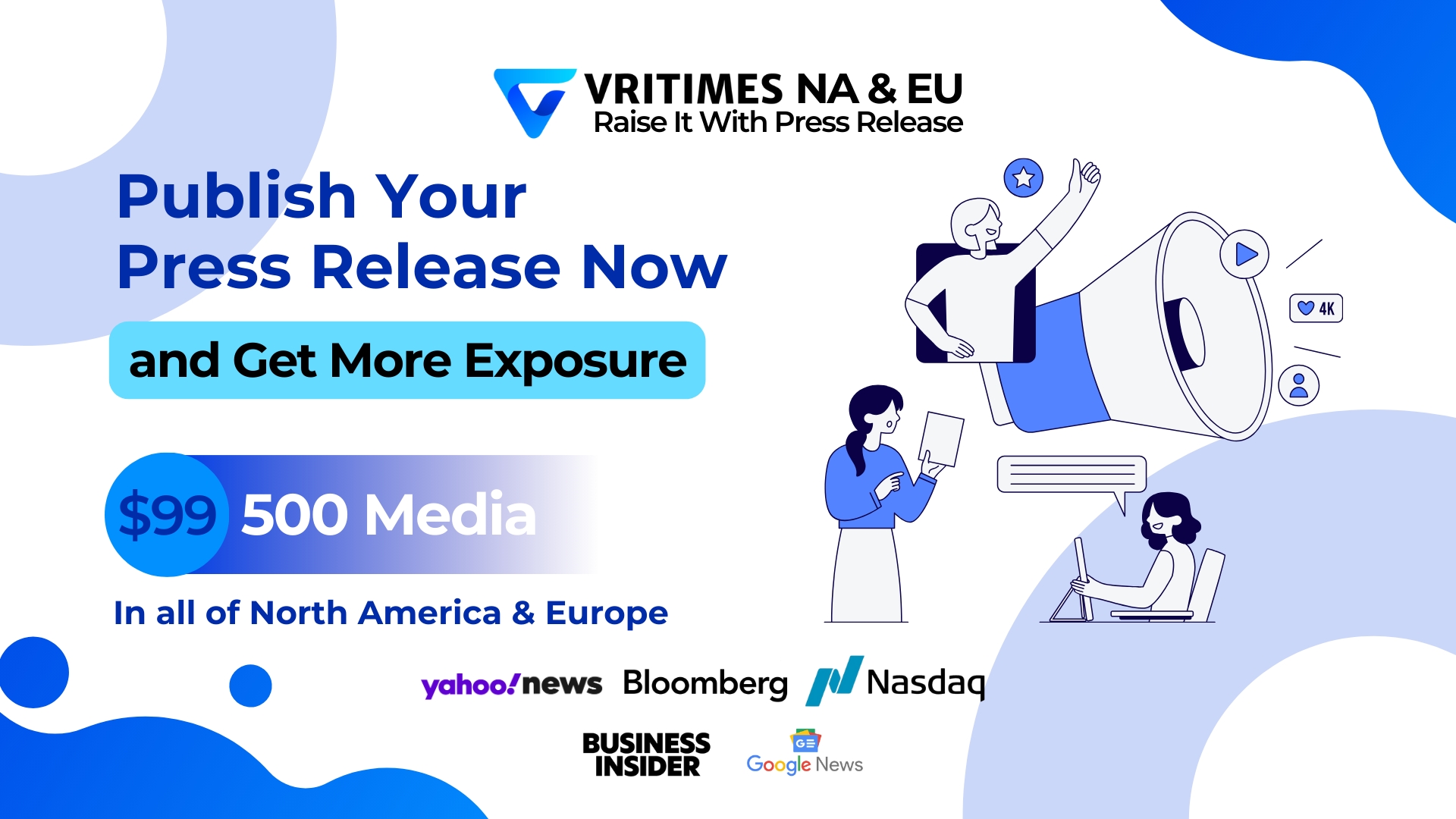
In addition to websites and social media, press releases can be an important part of a digital marketing strategy. Publishing press releases on online media platforms helps expand information reach, increase brand exposure, and create opportunities to earn high-quality backlinks from reputable news websites. When these press releases are also shared on social media, they can attract even more readers to visit your website, benefiting both brand awareness and SEO performance.
By integrating SEO, social media, and press releases, businesses can build a more effective digital marketing strategy. SEO generates sustainable organic traffic, social media accelerates content distribution and audience engagement, while press releases enhance credibility and broaden media exposure. Together, these three strategies create a stronger foundation for long-term business growth.
VRITIMES: Press Release Distribution Service with Publication Guarantee
VRITIMES is a professional press release distribution service that helps companies, brands, and organizations distribute their news to a wide network of trusted online media outlets. With its publication guarantee, VRITIMES ensures that every press release submitted is successfully published, enabling businesses to reach a broader audience more effectively.
Supported by an extensive digital media network and a well-structured distribution process, VRITIMES helps businesses increase brand awareness, strengthen credibility, and support SEO efforts through online media publications. The service is ideal for a wide range of communication needs, including product launches, digital marketing campaigns, corporate announcements, and public relations activities that require maximum media exposure.
For more information, please visit the official VRITIMES website.