/ 7 Content Optimization Strategies with AI
7 Content Optimization Strategies with AI
The development of artificial intelligence (AI) has significantly transformed digital marketing, especially in content creation and optimization strategies. AI not only helps generate content ideas but also analyzes data, understands audience intent, and improves visibility across search engines and digital platforms. By leveraging AI properly, businesses and content creators can produce more relevant, efficient, and competitive content. Therefore, understanding AI-based content optimization strategies has become essential to improving digital performance in the modern era.
AI-Based Keyword Research
AI-powered keyword research has become a crucial strategy in modern content optimization. With AI assistance, keyword discovery is faster and more accurate thanks to big data analysis, contextual understanding, and search trend insights.
More Accurate Search Intent Analysis
AI can analyze user search intent, such as informational needs, comparisons, or transactional purposes. This helps content creators select keywords that align more closely with audience needs.
Identifying Trends and Popular Topics
AI tools can detect emerging search trends and trending topics, helping businesses create timely content aligned with market interests.
Semantic Keyword Clustering
AI focuses not only on individual keywords but also on relationships between terms. Semantic keyword clustering helps content feel more natural and contextual.
Time Efficiency in Analysis
AI accelerates keyword research by automating large-scale data analysis, enabling faster content strategy development.
Predicting Keyword Performance
Some AI tools can predict potential traffic, competition levels, and ranking opportunities, supporting more strategic SEO decisions.
More Efficient Content Creation
Using AI in content creation speeds up production without sacrificing information quality. AI supports multiple stages, from idea research to drafting, improving workflow efficiency.
Automated Content Ideas and Outlines
AI can generate topic ideas, article titles, and content outlines based on search trends and audience needs, simplifying the writing process.
Faster Draft Writing
AI writing assistants help generate drafts quickly by structuring sentences, summarizing information, and expanding key points systematically.
Content Editing and Improvement
AI can assist with proofreading, grammar checking, and readability enhancement, making editing more efficient.
Consistent Writing Style
AI helps maintain tone, writing style, and structural consistency, especially for brands with established communication guidelines.
Scalable Content Production
AI enables large-scale content production while maintaining efficiency in time and resources.
Semantic and Context Optimization
Semantic optimization ensures AI understands content meaning beyond keywords. Modern AI-driven search systems analyze context, topical relationships, and user intent.
Understanding User Search Intent
Effective content aligns with user goals, whether informational, comparative, or solution-focused.
Using Synonyms and Keyword Variations
Synonyms and related terms help AI interpret topics more broadly while keeping content natural.
Topical Relevance
Covering interconnected subtopics strengthens content context and relevance.
Natural Language Writing
Clear, natural language improves AI comprehension and user readability.
Consistency of Terms and Topic Focus
Maintaining consistent terminology helps reinforce topical relevance.
Audience Content Personalization
AI-driven personalization helps deliver content aligned with user interests, improving engagement and communication effectiveness.
User Behavior Analysis
AI analyzes search history, content interaction, and user behavior to determine relevant content types.
Accurate Audience Segmentation
AI enables detailed segmentation based on demographics, interests, or digital behavior.
More Relevant Content Delivery
Personalized content increases engagement and audience satisfaction.
Improved Engagement and Loyalty
Relevant content encourages reading, sharing, and conversions while building long-term relationships.
Optimized Content Distribution
AI identifies optimal channels, timing, and formats for different audience segments.
Content Performance Analysis
AI-based analytics help evaluate how well content achieves marketing goals.
Audience Engagement Monitoring
Metrics like clicks, reading time, and interactions indicate content effectiveness.
Traffic and Behavior Analysis
AI tracks traffic sources, navigation patterns, and popular pages.
SEO Performance Evaluation
AI monitors keyword rankings, search visibility, and overall SEO performance.
Insights for Future Content
Performance data informs future content planning and optimization.
Continuous Data-Driven Optimization
AI enables ongoing performance monitoring and adaptive strategies.
Technical SEO Optimization with AI
Technical optimization ensures content is accessible, indexable, and understandable by search engines and AI systems.
Automated Website Audits
AI audits website structure, broken links, duplicate content, and indexing issues.
Page Speed Optimization
AI analyzes speed factors such as images, scripts, and code structure.
Metadata and Structure Management
AI helps optimize meta titles, descriptions, and headings.
Mobile-Friendliness Analysis
AI ensures responsive design for mobile accessibility.
Internal Linking Optimization
AI recommends effective internal linking strategies.
Content Distribution and Promotion
Content promotion ensures optimized content reaches the right audience.
Choosing the Right Distribution Channels
AI identifies effective platforms like social media, email marketing, or websites.
Publishing Time Optimization
AI analyzes user behavior to determine optimal publishing times.
Automated Content Promotion
Scheduling tools and automation streamline promotion.
Personalized Promotion
AI customizes promotional messaging for specific audiences.
Distribution Monitoring and Evaluation
AI tracks reach, engagement, and conversions in real time.
VRITIMES: Press Release Distribution Service with Guaranteed Publication
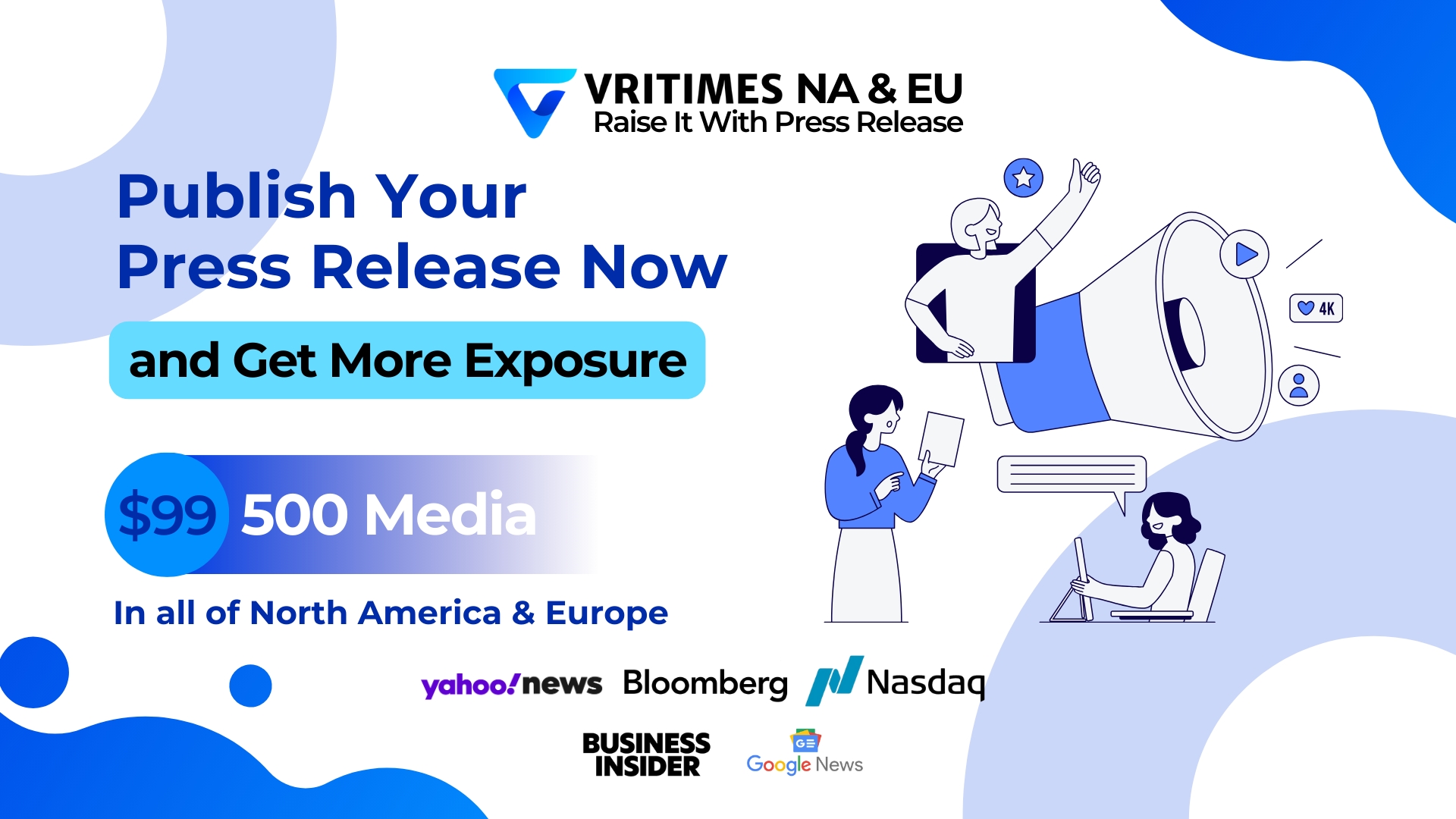
VRITIMES is a press release distribution service that helps companies, startups, and organizations distribute news releases effectively to online media. With guaranteed publication, the service ensures strong opportunities for media coverage, increasing brand visibility and credibility.
Through its practical distribution system, VRITIMES helps businesses reach broader audiences, support public relations strategies, and strengthen corporate communication in the digital era. It is a professional, efficient, and measurable solution for organizations seeking greater media exposure.